Forced air furnace is a heating system where air is the primary means of providing warmth in a building. It operates by warming air in the furnace and forcing the warm air through a series of ducts and vents into other rooms. This kind of heating system is among the most popular options to be used in residential and commercial buildings in the United States due to its reliability, efficiency, and consistency in offering indoor comfort.
Compared to the older methods of heating that use fireplaces, radiators, or single heaters, a forced air furnace is able to evenly spread warm air throughout a whole area. It is typically driven by natural gas, electricity or oil and is typically paired with an air conditioning system to form a complete HVAC (Heating, Ventilation, and Air Conditioning) solution.
How Does a Forced Air Furnace Work?
The principle of a forced air furnace is very simple. At a time when the thermostat notices that the indoor temperature is lower than the set point, it triggers a signal to the furnace to start heating. The burner or electric heating elements of the furnace are then turned on to generate heat.
A blower fan forces the interior air out of the home by use of return air ducts and passes it over a heat exchanger or heating element. The hot air is then forced through supply ducts and discharged into various locations via vents or registers. When the required temperature is met, the thermostat will make the furnace shut off until additional heat is required.
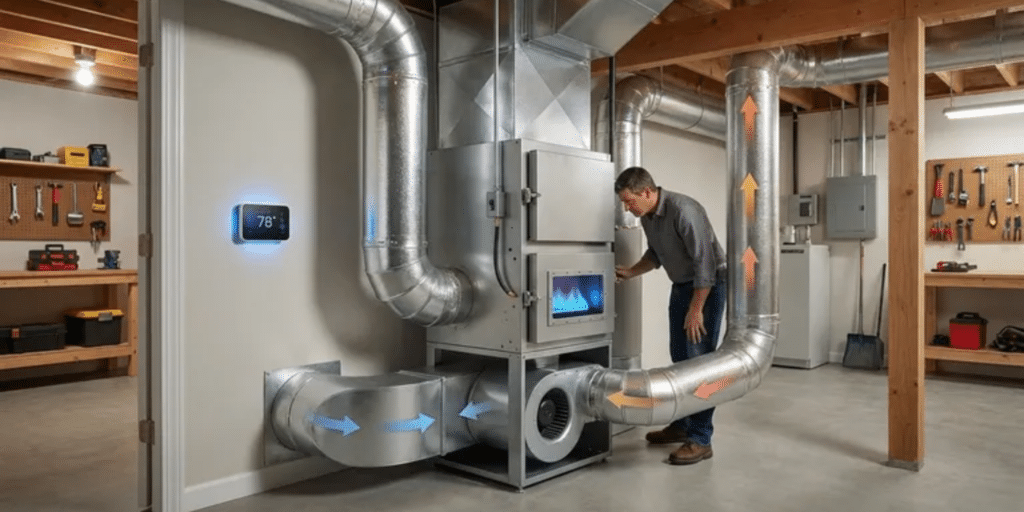
This is an endless loop that enables a forced air furnace to keep the inside of the house at a comfortable temperature and enhances air flow in the house.
Main Components of a Forced Air Furnace
A forced air furnace has a number of significant parts that collaborate to offer effective heating. The thermostat is the control center in that it measures the temperatures inside the home and instructs the furnace when to turn on.
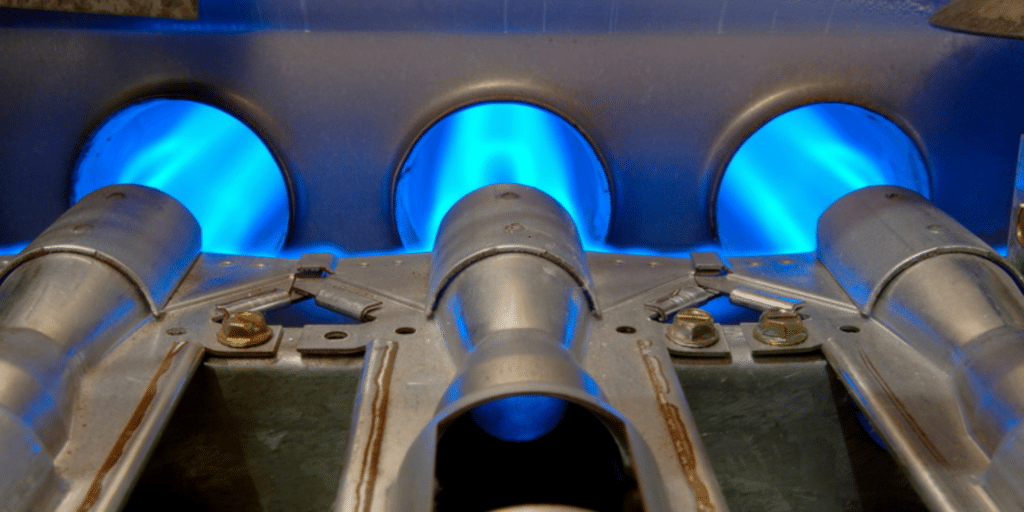
The heat exchanger removes heat energy of the fuel source or electrical element to the air without mixing combustion gases with indoor air. The fan and blower motor are in charge of circulating the hot air in the duct system. Air filters eliminate dust, dirt and air particles prior to the air entering the living space.
Other significant components are burners, ignition systems, safety controls and ductwork. These components are well maintained to enhance the performance of the furnace, energy conservation, and the life of the system.
Types of Forced Air Furnaces
There are also a number of forced air furnaces depending on the source of energy. One of the most used is gas furnaces due to the availability of natural gas and its ability to deliver strong heating at a comparatively low cost of operation.
Electric furnaces are furnaces that employ electrical heating components to heat the air. They can be installed much easier and are sometimes a viable option in places where natural gas is not available. But electricity is more expensive in certain areas and this can increase their operation costs.
Another alternative is oil furnaces particularly in regions where heating oil is widely used. The different types possess varying benefits and the most suitable one depends on the climate, energy availability, cost of installation and household requirements.
Benefits of a Forced Air Furnace
A forced air furnace has a number of advantages that render it a heating system of choice. Fast and efficient heating is one of the greatest benefits. Since warm air is circulated via ducts, rooms can be heated to a comfortable temperature in a short period.
The other advantage is better air circulation. A forced air system can also be used to minimize dust, allergens and airborne particles in a home when combined with quality air filters. Most of the modern furnaces also have high energy efficiency ratings that can be used to reduce heating expenses.
Central air conditioning systems can also be used in forced air furnaces. The combination enables homeowners to have a single duct network to heat and cool their homes, which makes it a convenient year-round HVAC solution.
Forced Air Furnace vs Other Heating Systems
Forced air furnaces have distinct benefits over other heating systems. Radiant heating systems, like radiators or heated floors, heat objects and surfaces rather than circulating air. Although radiant systems may offer a warm and comfortable heat, they do not typically offer the same benefits in air filtration and ventilation.
Another alternative that can be used to offer heating and cooling is heat pumps. Nevertheless, in very cold climates, a furnace can provide more powerful heating capabilities. Forced air furnaces also tend to be quicker at increasing the temperatures indoors than most other heating technologies.
Choosing the right heating system is based on the climate, budget, cost of energy, and individual comfort. An expert HVAC analysis can be used to find out which one is the best alternative to a particular property.
Energy Efficiency and Maintenance Tips
A forced air furnace requires regular maintenance in order to maintain its performance. One of the simplest methods of ensuring that there is good airflow and that the system does not strain is by replacing air filters. The dirty filters may cause the furnace to work harder and consume more energy.
Professional furnace inspections should also be done by the homeowners at least once a year. A technician is able to inspect parts, wash internal parts, check safety controls and detect possible problems before they turn into costly repairs.
Additional measures to enhance heating efficiency include the insulation of homes, air sealing, and installation of a programmable thermostat. A properly maintained furnace can offer a stable performance and aid in minimizing the unnecessary energy consumption.
Common Problems with Forced Air Furnaces
Forced air furnaces are no exception as any heating device can have issues in the course of time. The typical problems are poor airflow, strange sounds, cycling frequently, uneven heating, and increased energy bills. Clogged filters, damaged components, duct problems, or thermostat problems may cause these problems.
A furnace that does not heat might need expert attention, particularly when there are issues of gas leakage, electrical faults, or safety measures. Little problems should not be overlooked as they may result in decreased efficiency and more expensive repairs.
The most effective methods of prolonging the life of a furnace and ensuring the safety of the heating system are regular maintenance and timely repairs.