
Indoor air quality plays an important role in creating a comfortable and healthy home. When indoor air becomes too dry, it can cause dry skin, irritated sinuses, a scratchy throat, and discomfort while sleeping. A humidifier can help by adding moisture to the air and maintaining comfortable humidity levels.
A humidifier can enhance your daily comfort, whether you heat your home in winter or in a dry climate. It can also be used to preserve wooden furniture and decrease the occurrence of static electricity. Understanding the benefits of a humidifier can help you decide whether it is a useful addition to your home.
Helps Relieve Dry Skin and Chapped Lips
Dry indoor air may make your skin tight, rough or itchy. It may also lead to chapped lips particularly in winter when the humidity is reduced by indoor heating.
A humidifier can add moisture to the air and this can help minimize the loss of moisture to your skin and make you feel more comfortable. It can be especially useful to use one in your bedroom in case you often wake up with dry skin or lips.
But a humidifier is not a substitute for good skin care. Use moisturizer frequently and keep the humidity of the house comfortable to avoid the problem of excessive dryness.
Supports Comfortable Breathing and Sinus Health
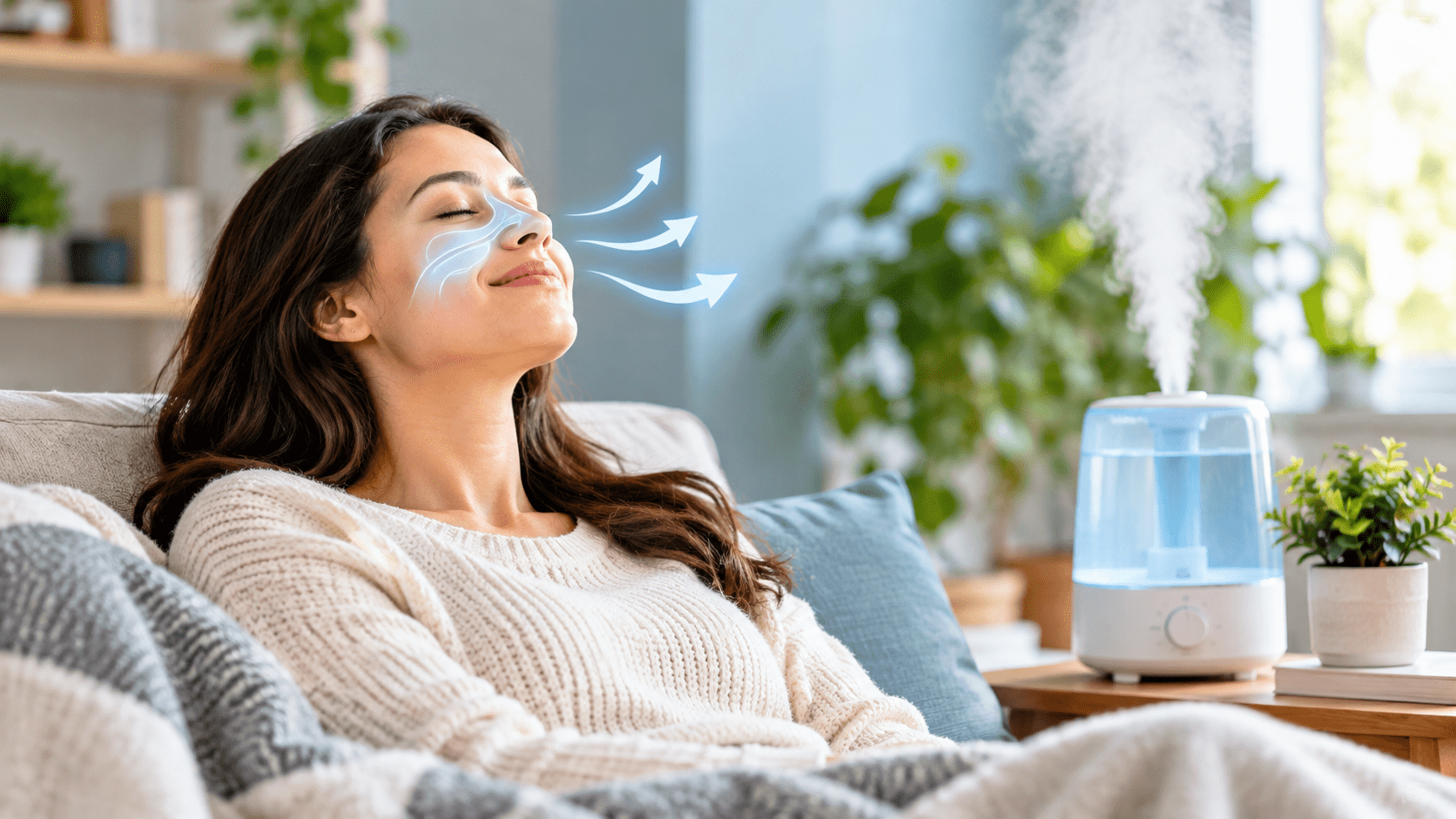
The dryness of the air may irritate the throat and nose, and in some cases, lead to nasal dryness and discomfort. A humidifier can be used to ensure that nasal passages are not too dry and thick mucus can be easily handled.
This may be particularly useful in colder seasons or when the air conditioning makes the air inside feel dry.
However, a humidifier does not treat allergies, asthma, or sinus infections. Maintain the humidity at a reasonable level since too much moisture may promote the growth of molds and dust mites. See a medical practitioner in case of persistent breathing difficulties.
May Reduce Dry Throat and Cough Discomfort
Waking up with a dry throat or occasional coughing can make it difficult to feel comfortable. Dry indoor air may contribute to throat irritation, particularly in heated bedrooms.
Using a humidifier may ease dryness-related discomfort by adding moisture to the air. Others also experience that the humidified air makes them feel more comfortable in handling cold symptoms.
Clean the device and use as per the instructions given by the manufacturer. A humidifier is not able to cure the cause of a cough, therefore, consult a physician in case of severe or chronic symptoms.
Improves Sleep Comfort
A comfortable bedroom can make it easier to relax and enjoy restful sleep. Dry air may cause a stuffy nose, irritated throat, or dry lips that interrupt your sleep.
Bedroom humidifiers may be used to ensure that the humidity levels are comfortable and to eliminate discomfort caused by dryness. It can be especially helpful in winter or in rooms where the air conditioning is on all the time.
Keep the humidifier on a stable and waterproof surface that is not close to the bedding and electronics. Check the humidity with the help of a hygrometer and do not put in the room more moisture than is already present.
Helps Protect Wooden Furniture and Household Items
Wood naturally responds to changes in humidity. With excessively dry indoor air, wooden furniture, cabinets, hardwood floors, and musical instruments can lose moisture, which can further increase the likelihood of shrinking or cracking.
A humidifier may be used to ensure the indoor humidity is more stable, which may save these items against being too dry. Depending on the needs of the particular houseplant, some houseplants can also use extra moisture.
Excessive humidity should be avoided because it may lead to condensation, damage the wood, and promote the growth of molds. It is important to keep the moisture at a balanced level to preserve your house.
Helps Reduce Static Electricity
During winter when indoor air is dry, there is a tendency of static electricity. You can experience little shocks when handling metal objects or feel clothes sticking to each other.
A humidifier puts water in the air, which helps to decrease the accumulation of electrical charges of a static nature on the carpets, clothes, and other substances.
This benefit can be particularly evident in houses with carpets and artificial fabrics. Never place humidifiers near electrical devices, though, and observe the safety recommendations of the manufacturer.
Creates a More Comfortable Indoor Environment
Comfort in the indoor environment is determined by temperature, ventilation and humidity. Although your heating or cooling system may be keeping the house at a comfortable temperature, dry air may make your home seem less comfortable.
A humidifier may be used to equalize the moisture content in the bedrooms, living rooms, home offices, and other areas that are used frequently.
Select the model that fits your room and family requirements. Keep in mind that a humidifier is not the only component of good indoor air quality. Routine cleaning, good ventilation and dust management are also essential.
Tips for Using a Humidifier Safely
To enjoy the benefits of a humidifier, proper use and maintenance are essential. A poorly maintained device can spread microorganisms or mineral particles, while excessive humidity can encourage mold growth.
Follow these simple tips:
Monitor humidity: Strive to keep relative humidity at 30-50 percent and minimize use when condensation forms.
Clean regularly: Clean in accordance with the cleaning instructions of the manufacturer to avoid the deposition of minerals and the development of microbes.
Use suitable water: Distilled or demineralized water may help to minimize mineral deposits and airborne mineral dust, especially in ultrasonic humidifiers.
Change water regularly: Fill up and empty the tank as per the instructions of the manufacturer.
Choose the right size: Select a model designed for the room where you intend to use it.
Avoid excess moisture: Too much humidity can encourage mold and dust mites.
Enjoy a Healthier, More Comfortable Home with a Humidifier
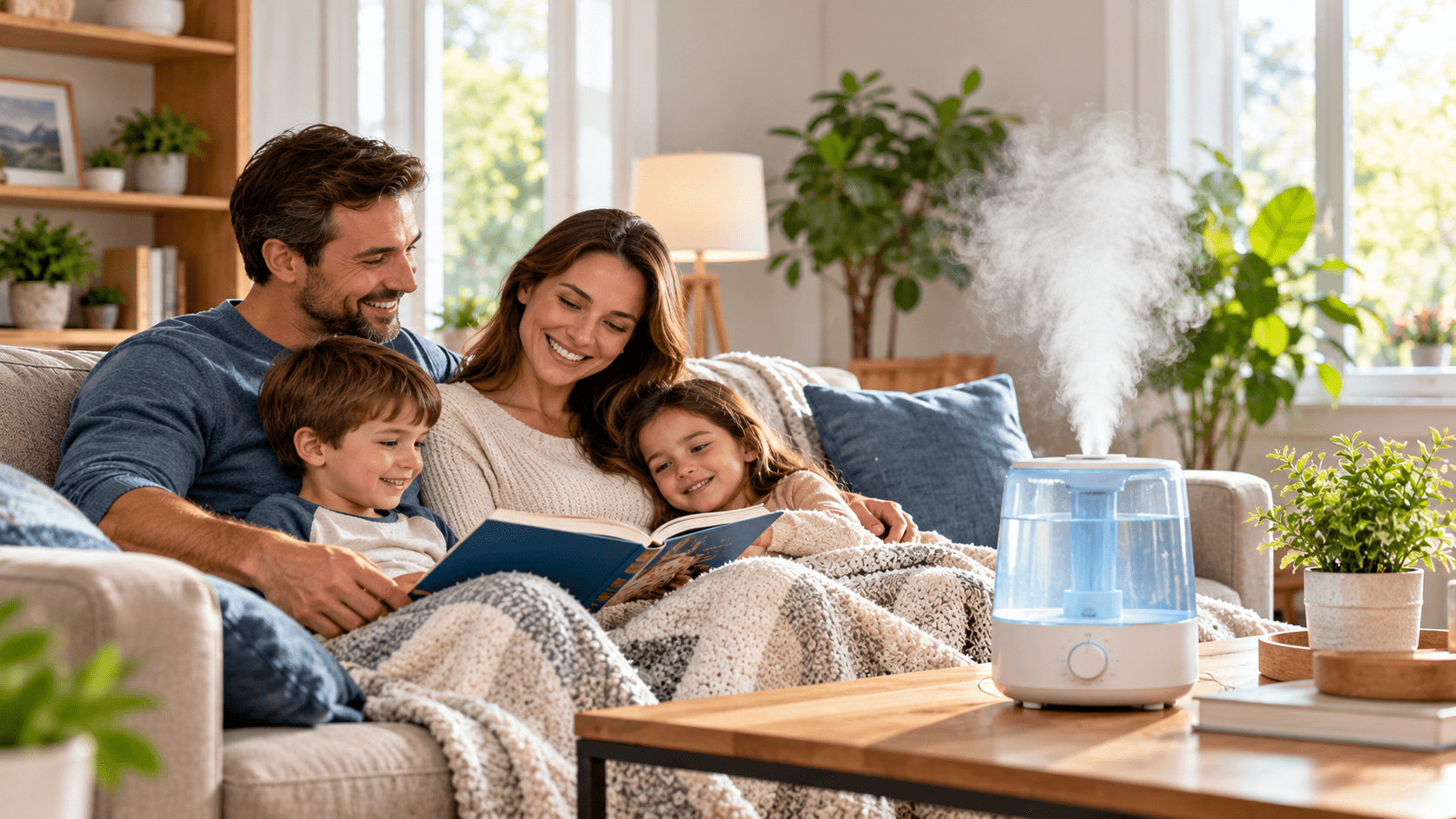
The benefits of a humidifier include helping relieve dry skin, supporting nasal comfort, improving sleep conditions, protecting wooden furniture, and reducing static electricity. It can be a practical addition to homes affected by dry indoor air.
For the best results, maintain balanced humidity, clean your device regularly, and choose a humidifier that suits your space. With proper use, a humidifier can help create a more comfortable home throughout the year.