Dust buildup on air vents is a common problem in homes and offices. Dirty vents can make a room look untidy, reduce airflow, and spread dust particles throughout your indoor space. Over time, accumulated dust can also affect your HVAC system and may contribute to poor indoor air quality.
Fortunately, there is no complex maintenance involved in preventing dust accumulation on air vents. By cleaning the vents regularly, ensuring they are properly filtered and with a couple of simple household practices, you can have cleaner vents and make your heating and cooling system perform better.
Clean Air Vents Regularly
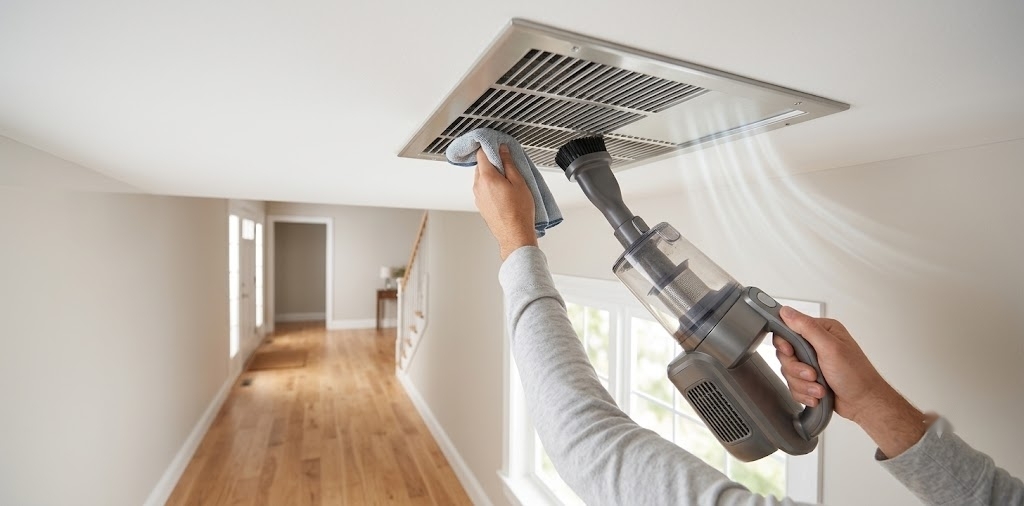
Cleaning air vents is one of the easiest methods to avoid dust accumulation on them. The vent covers are natural collectors of dust since there is always air passing through them. When vents are not maintained over a long period of time, dust may settle and ultimately get into the ductwork.
Clean the surface and the inside of the vent openings with a vacuum cleaner with a soft brush attachment. To clean further, take out the vent covers where possible and clean them using warm water and mild soap. Make sure they are completely dry before reinstalling them.
Heavy buildup can be avoided by cleaning your vent quickly every few weeks, making your regular cleaning of your home easier.
Replace HVAC Air Filters
Your HVAC air filter is significant in capturing dust, pollen, pet hair and any other airborne particles before they can circulate in your home. Nevertheless, a dirty or clogged filter is not effective.
Regularly check your air filter and change it as per the recommendation of the manufacturer. Most of the standard filters have to be replaced every one to three months, but homes with pets, allergies, or high dust levels may need to replace them more frequently.
Selecting the right filter to use in your HVAC system can also be used to enhance the quality of air and minimize the quantity of dust that gets to your air vents.
Vacuum Around Your Home
Floors, furniture, carpets and other surfaces can accumulate dust that can later become airborne and find its way into your HVAC vents. Vacuuming frequently can minimize the quantity of free dust that can circulate in your house.
Pay special attention to areas around floor vents and return air vents. It is preferable to use a vacuum cleaner with a HEPA filter, particularly when you are attempting to minimize the amount of fine dust.
Clean vacuum carpets, rugs, upholstery and other fabric surfaces. Maintaining these places clean can greatly decrease the total quantity of dust in your home.
Keep Vents Clear of Obstructions
Objects such as furniture, curtains, rugs, and others that are directly over or close to air vents can disrupt proper airflow. Limited airflow can lead to dust accumulating around the vents and can result in increased work by your HVAC system.
Keep supply and return vents free from obstructions. Furniture should not be placed directly over floor vents and curtains should not be fully covering wall vents.
Proper air circulation enables your HVAC system to more efficiently circulate conditioned air and prevent the build-up of dust around the vent openings.
Control Indoor Dust Sources
Another effective method of maintaining clean air vents is by reducing dust at its source. Bedding, clothing, carpets, upholstery, pet hair, and outdoor dirt that is carried indoors on shoes are the common sources of household dust.
Wash bedding, clean upholstery, and place doormats at entranceways to trap dirt before it gets into your house. Indoor shoe removal can also be used to minimize the quantity of dirt and dust that is tracked to the floor.
The fewer dust particles in your home, the fewer dust particles your HVAC system will need to move.
Maintain Proper Indoor Humidity
The humidity in the house can affect the behavior of dust in the house. Dust particles may be suspended in the air due to very dry air and excessive humidity may be part of other indoor air quality issues.
The normal humidity level in the house is about 30-50 percent. A hygrometer can be used to measure humidity and regulate it using a humidifier or a dehumidifier.
Having a balanced humidity can make the indoor environment more comfortable and help to maintain the overall air quality.
Keep Pets Well Groomed
Pets may be a source of much dust and debris in the home. Pet hair, dander and dirt may be airborne and finally get to HVAC vents.
Frequently bathing your pets can also help lessen the amount of loose hair and dander in your home. Brush pets in an appropriate area and clean their bedding frequently. Vacuum spaces where pets spend the majority of their time to avoid hair and debris build-up.
These are easy practices that can decrease the level of pet-related debris that flows through your HVAC system.
Schedule Professional HVAC Maintenance
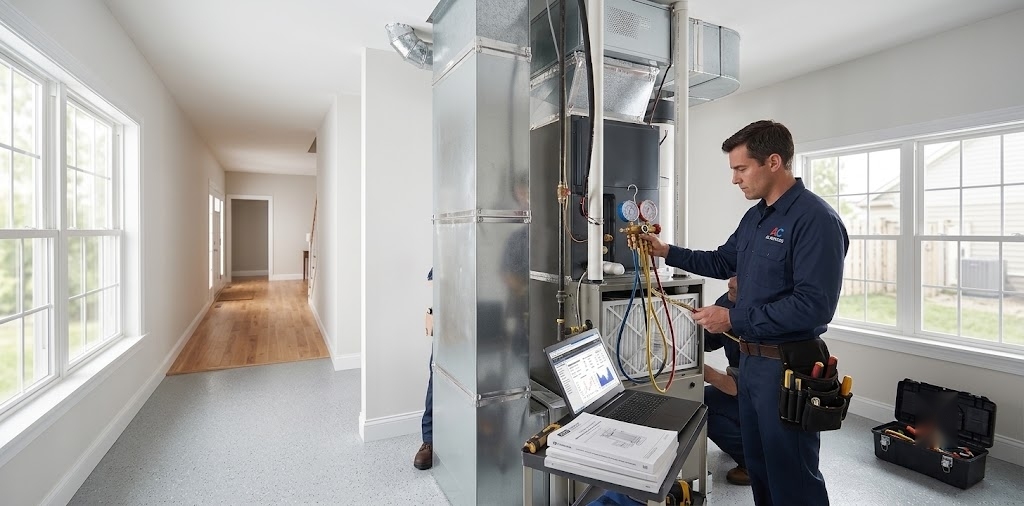
Professional HVAC maintenance can be done regularly to detect issues that regular cleaning might not detect. A trained technician will be able to check your system, check airflow, check filters, and determine problems that may be adding to excessive dust.
Professional maintenance is particularly helpful when you observe abnormally dirty vents, inadequate airflow, unpleasant smells, or dust coming back soon after cleaning.
Regular HVAC service can also assist your heating and cooling systems in performing better and may also increase their lifespan.
Consider Professional Air Duct Cleaning
When your air vents get dusty within a short period of time, even after cleaning them frequently, there might be something wrong with the HVAC system. Under certain conditions dust and debris may be deposited in air ducts and other parts.
It is possible that professional air duct cleaning can be considered in case of a considerable visible accumulation, signs of pests, construction debris, or other issues. Nevertheless, not all homes need to be duct cleaned.
Before scheduling a service, have the HVAC system inspected to determine whether the ductwork actually needs cleaning. Addressing the underlying cause of excessive dust is often more effective than simply cleaning the vents repeatedly.