When temperatures drop, you expect your heater to keep your home warm and comfortable. But what happens when your heater turns on, yet the air coming from the vents feels cold or barely warm? A heater that doesn’t blow heat can be frustrating, especially on a cold winter night.
The good news is that the problem isn’t always a major repair. Something as simple as an incorrect thermostat setting, a dirty air filter, or restricted airflow could be responsible. However, some heating problems require professional attention to prevent further damage.
The following are the most typical causes of your heater not blowing warm air and what you can do about it.
Your Thermostat May Be Set Incorrectly
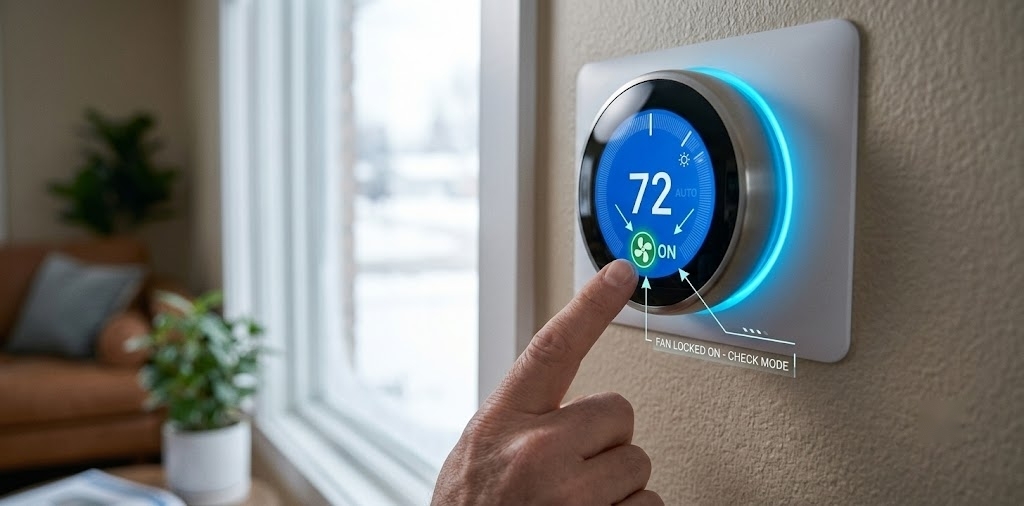
Check the thermostat before you think your heating system has a serious problem. Ensure that it is programmed to HEAT and not COOL, OFF or FAN. Then, adjust the temperature and ensure that it is greater than the room temperature.
When your thermostat has a fan option, you can also make the air feel cold by selecting ON rather than AUTO. The ON setting keeps the blower running continuously, even when the heater isn’t actively producing heat.
When the thermostat has batteries, then poor batteries may also lead to heating issues. Replacing them may solve the issue.
Your furnace or heat pump can also fail to work due to a faulty or inaccurate thermostat. When the settings seem right yet your heater fails to heat, then the thermostat might require to be checked or replaced.
The Air Filter Is Dirty
One of the most frequent causes of heating problems is a dirty air filter. The airflow in your HVAC system must be adequate. Once the filter is filled with dust, pet hair and other debris, it limits the airflow and causes the system to work harder.
In other instances, lack of airflow may lead to overheating of a furnace. The burners can then be turned off and the blower can be kept on. This may lead to cool air being produced by the vents.
Always check your filter and change when dirty. Most typical filters need to be changed once to three months, but the optimal time frame varies depending on the type of filter, the conditions of the household, pets, and use of the system.
When the replacement of the filter does not help to restore the heat, it is possible that there is some other airflow or mechanical issue that needs to be diagnosed by a professional.
Your Furnace Isn’t Igniting Properly
In case you have a gas furnace, the system must turn on the burners to generate heat. The ignition system may have a problem and the burners may not light.
Contemporary furnaces can have an electronic ignition instead of a pilot light. Normal operation can be prevented by problems with the igniter, flame sensor, gas supply or control board.
You can find that the furnace will briefly turn on and turn off, or you can hear the system trying to turn on and not producing warm air.
Never self-repair gas parts. Gas heating equipment may pose severe safety risks when it is not serviced properly. In case you suspect an ignition or gas issue, switch off the system and call a professional HVAC company.
The Furnace May Have an Airflow Problem
Blocked airflow may deprive your living spaces of warm air even when the heating parts are in good condition.
Begin by inspecting the vents and registers in your house. Ensure that they are not covered by furniture, rugs, curtains or other items. The system may have closed or blocked vents that may influence the airflow and the overall performance of the system.
A clogged filter isn’t the only possible cause. Airflow can also be diminished by dirty ductwork, broken ducts, a broken blower motor, or issues with the return-air system.
When a few rooms are getting a lot of heat and others are cold, it might be a ductwork or airflow balancing issue and not necessarily the furnace itself.
Your Heat Pump May Be in Defrost Mode
The situation can be different in case your home is equipped with a heat pump rather than a conventional furnace. Heat pumps take out the heat in the outside air and transfer it to the inside. In cold or wet weather, the outside unit may become covered with frost.
To eliminate that frost, the system switches to defrost every now and then. In this brief cycle, your heat pump might temporarily supply cooler air to the inside.
Even a brief spell of cool air is thus normal. But, when your heat pump is constantly blowing cold air, having trouble keeping the temperature where you want it, or it forms too much ice, the refrigerant levels, airflow, sensors, or other parts may be the issue.
In that situation, professional HVAC service is recommended.
The Pilot Light or Gas Supply Could Be the Problem
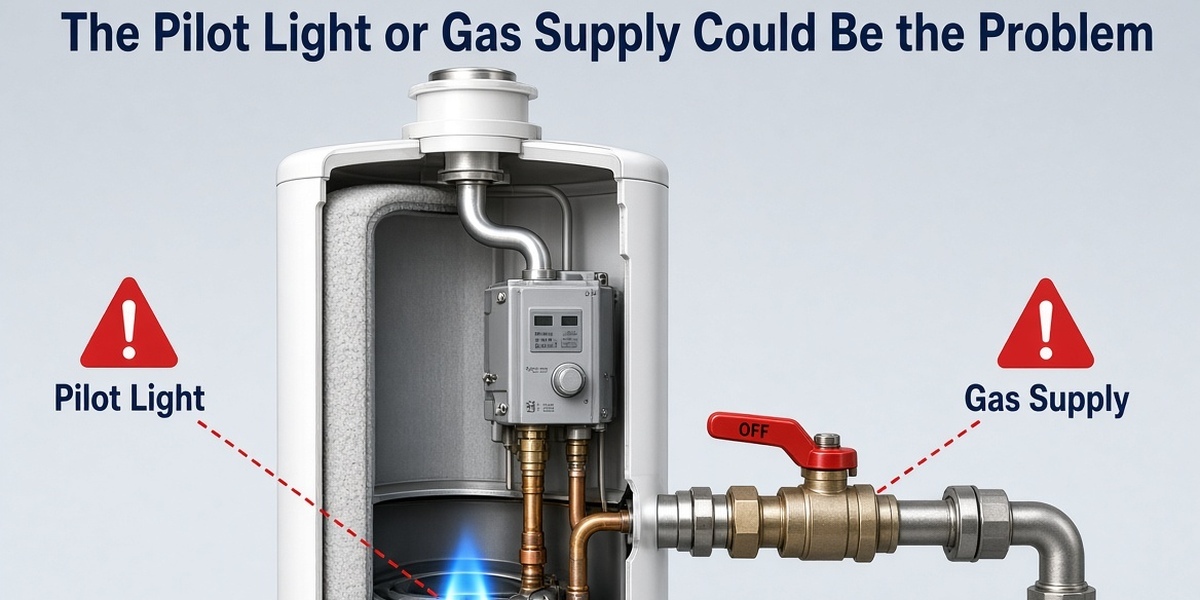
Older gas furnaces can utilize a standing pilot light. When the pilot light is off the furnace will not heat.
Before trying to relight a pilot light, consult your owner’s manual with the instructions of the manufacturer. Certain systems have certain procedures which must be followed and others are best left to a professional.
When you smell gas, do not light the furnace again or use electrical switches around the appliance. Exit the premises and call your gas company or the emergency service as per the local safety protocols.
The furnace can also fail to heat due to a gas supply outage. When the other gas appliances are not functioning, call your utility company to find out whether there is a larger service problem.
The System May Be Overheating or Short Cycling
A furnace that starts and stops without a complete heating cycle can be short cycling. This may occur due to a number of reasons such as limited air flow, over sized furnace, thermostat issues, or overheating.
In case of overheating of a furnace, the safety controls can be used to close the burners to save the equipment. The blower can be left running and cool or lukewarm air will pass through the vents.
Short cycling is not to be overlooked. The repetitive cycling may lead to the consumption of more energy, less comfort, and additional stress on the heating components.
If your heater starts normally but quickly shuts down and repeats the process, have an HVAC technician inspect the system.