Your HVAC system is significant in ensuring that you have a comfortable home all year round. You may need your air conditioner on hot summer days, or your heating system on colder days, but in either case, a clean air filter is a key to efficient work. Air filter replacement is a simple maintenance procedure that many homeowners ignore, yet the benefits of this basic task can be significant to the quality of indoor air, energy expenses, and the longevity of your HVAC system.
One of the simplest methods of having a healthier and more efficient home environment is to change your air filter regularly.
This guide will discuss the five most important reasons why you should change your air filter and why this simple task can be included in your home maintenance routine.
What Does an Air Filter Do?
To know the advantages of changing your air filter, it is important to know what it does. An air filter is an element within your HVAC system that captures dust, dirt, pollen, pet hair, and other airborne particles. It stops the circulation of these contaminants in your home and assists your heating and cooling system to work well.
With time, the filter gets blocked with accumulated debris. Once this occurs, the air is not able to circulate through the system with ease and this makes your HVAC work harder. Replacing air filters regularly will allow your system to operate effectively and will allow your indoor air to be cleaner.
Improves Indoor Air Quality
Reduces Dust and Airborne Pollutants
Among the greatest advantages of replacing your air filter is the quality of indoor air. A contaminated air filter is unable to trap dust, pollen, mold spores and other particles. Consequently, the contaminants have the potential to circulate in your home each time your HVAC system is on.
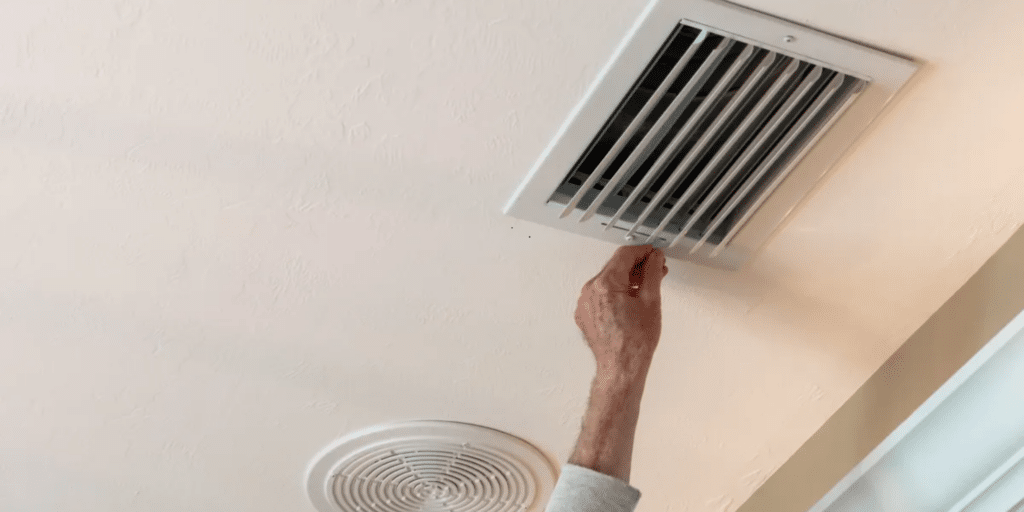
Clean air filters will help to trap undesired particles before they get into your living spaces. This is particularly useful in homes with pets, children or those who are sensitive to dust and allergens.
Creates a Healthier Living Environment
The lack of good indoor air quality may also lead to such discomfort as sneezing, coughing, sore eyes, and breathing difficulties. Changing your air filter will also allow you to keep the air cleaner and will make the environment of your home much more comfortable.
To achieve improved outcomes, homeowners are advised to select an air filter that fits their HVAC system needs and change it as per the recommendations of the manufacturer.
Increases Energy Efficiency
Helps Your HVAC System Work More Easily
With a congested air filter, airflow is limited and your HVAC system has to work harder to heat or cool your house. Your system consumes more energy when it has to take longer to achieve the desired temperature.
With a clean air filter, air can freely move through your HVAC system. This enhances air circulation and makes your unit more efficient, and uses less energy that is not necessary.
Lowers Monthly Utility Bills
Because an effective HVAC system uses less energy to run, changing your air filter can save you money each month on energy. Even though replacing an air filter is a minor cost, it can result in apparent savings in the long run.
The simplest method to enhance energy efficiency without having to upgrade your HVAC system significantly is regular maintenance, such as replacing your air filter.
Extends the Life of Your HVAC System
Prevents Excessive Wear and Tear
HVAC is a significant investment, and it can be safeguarded through proper maintenance. With a dirty air filter your system has to work extra hard to keep the temperatures comfortable. This additional load may lead to the premature wear of components.
You can also minimize the strain on your HVAC equipment by replacing your air filter on a regular basis. This enables key components, including the blower motor and fan, to run smoothly.
Reduces the Need for Repairs
A well-maintained HVAC system is less likely to experience unexpected problems. Although replacing your air filter will not eliminate all the problems, it will help mitigate the risk of performance problems due to limited airflow and overaccumulation.
Regular changing of filters is a cost-efficient method of maintaining the reliability of your heating and cooling system in the long term.
Maintains Better Airflow and Comfort
Keeps Temperatures Consistent
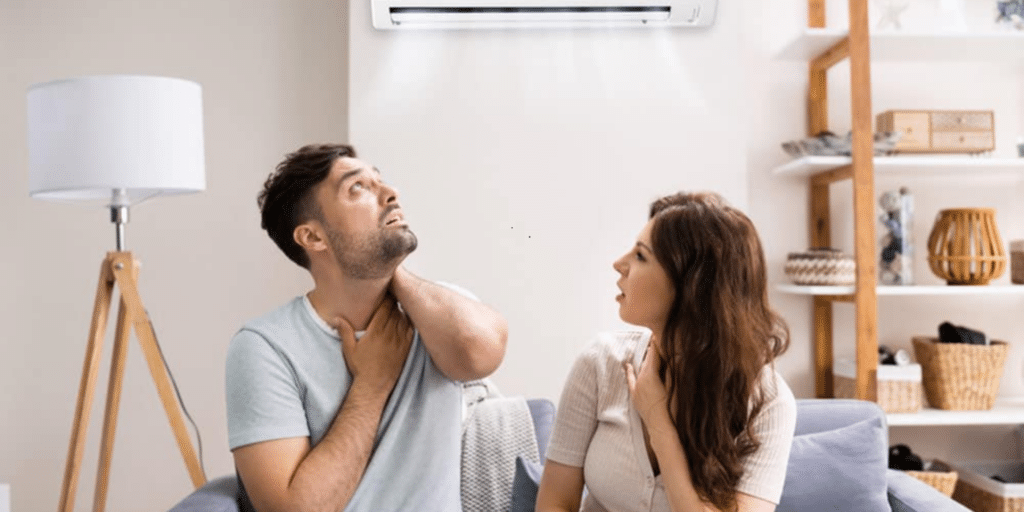
When your HVAC system is unable to distribute air evenly throughout your home, it may be due to a dirty filter. Certain rooms can be too hot or too cool since the system is not able to regulate the airflow.
With a clean air filter, your HVAC system will provide a uniform heating and cooling. It implies that your home can remain comfortable all year round.
Improves Overall HVAC Performance
Free flow of air in your system allows your HVAC unit to react faster to changes in temperature. This enhances performance and will assist your system to keep the comfort level you desire.
Replacing your air filter is an easy maintenance project that can have an observable impact on the comfort of your home.
Helps Prevent Expensive HVAC Problems
Reduces System Strain
Neglecting to change air filters may result in larger HVAC issues in the long run. A badly blocked filter may limit the airflow and may lead to overheating of your system or inefficient operation.
Periodic replacement of filters can avoid unwarranted stress and maintain smooth operation of your HVAC equipment.
Saves Money on Future Repairs
Minor repairs can be used to avoid costly repairs. It is far less expensive to replace an air filter than to fix broken HVAC parts due to inadequate airflow and lack of care.
Homeowners can prevent possible issues and maintain their systems in a better state by spending several minutes changing filters regularly.
How Often Should You Change Your Air Filter?
The suggested replacement period is based on various factors, such as the kind of filter, family size, pets, and indoor air quality requirements. Generally, most homeowners ought to change their air filter after every 1 to 3 months.
You may need to change your filter more frequently if:
- You have pets that shed hair and dander.
- Asthma or an allergy in someone at home.
- You are in a dusty or polluted area.
- Your HVAC system is used regularly all year round.
Checking your filter regularly can help you determine when it needs replacement.