Heat pumps are an effective method of heating and cooling houses by moving heat in and out of the house. Compared to the conventional HVAC systems which produce heat, heat pumps do not produce heat, and thus, are energy efficient and environmentally friendly. As with any mechanical system, a heat pump needs frequent maintenance to work effectively.
Heat pump maintenance involves routine inspections, cleaning, adjustments, and repairs that help keep the system operating smoothly. Proper maintenance improves energy efficiency, prevents unexpected breakdowns, extends equipment lifespan, and ensures consistent indoor comfort throughout the year.
What is Heat Pump Maintenance?
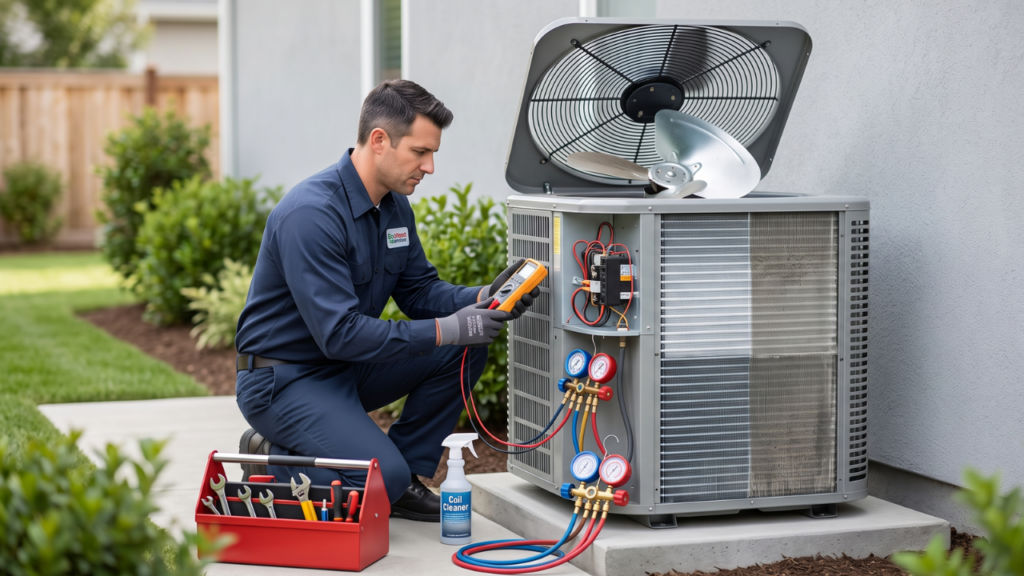
Heat pump maintenance is a planned maintenance procedure that aims at checking and tuning the various parts of a heat pump system. Heat pumps wear and tear continuously since they are used all year round to heat and cool. Maintenance will assist in detecting minor problems before they become costly to fix.
An experienced HVAC technician usually examines the electrical connections of the system, the amount of refrigerant, airflow, filters, coils, and the overall efficiency. Cleaning of key parts and making sure that the heat pump is capable of effectively moving heat in and out of the house are also considered as maintenance.
Why is Regular Heat Pump Maintenance Important?
Heat pump maintenance is critical to ensure efficiency, comfort, and long-term performance. A heat pump that is not maintained can still be used, although it tends to work harder to reach the required temperature. This workload may cause higher energy costs and early component breakdown.
Here are some key reasons why heat pump maintenance is necessary:
Improves Energy Efficiency
One of the biggest benefits of heat pump maintenance is improved energy efficiency. Due to time, the dirt accumulating on coils, clogged filters, and limited airflow may slow down the performance of the system. The heat pump uses more electricity when it has difficulty moving air or transferring heat.
Regular cleaning and inspection can help the system to work to its best capacity. A properly maintained heat pump consumes less energy, which could help to decrease monthly utility bills and save on unnecessary energy usage.
Extends the Lifespan of Your Heat Pump
Heat pumps are an important investment, and frequent maintenance is a way of safeguarding the investment. Small problems may turn into significant mechanical problems without appropriate care, reducing the life of the system.
As an example, a contaminated coil, low refrigerant content, or damaged electrical element may impose additional loads on the compressor and other vital components. Routine maintenance enables technicians to detect and fix these problems at an early stage, which will make your heat pump last longer.
Prevents Unexpected Repairs
Sudden failures of the heat pump usually occur when small issues are neglected over an extended period of time. Constant repairs will assist in identifying the possible problems before they occur.
An HVAC expert can detect red flags during a maintenance check, including strange sounds, poor air circulation, refrigerant leakage, or electrical issues. These issues can be resolved at the initial stages to avoid expensive maintenance and inconvenient failures.
What Does Heat Pump Maintenance Include?
The entire heat pump service maintenance process has a few critical steps that should be undertaken to verify that all the system components are functioning correctly. Although maintenance procedures can be different based on the type of equipment, the majority of professional inspections involve the following:
Filter Inspection and Replacement
Air filters are significant in ensuring proper air quality and airflow in the indoor environment. Dirty filters cause a blockage of airflow, which makes the heat pump work harder. Maintenance is conducted by technicians who check filters and suggest their replacement.
Homeowners should also be checking filters, particularly when the heating or cooling is in high use.
Cleaning Coils and Outdoor Components
The coils are used inside and outside to aid in the transfer of heat. Their capacity to work effectively can be diminished by dust, dirt, leaves, and debris. By cleaning these parts, heat transfer is enhanced, and system efficiency is maintained. Outdoor units should also have enough clearance around them to allow proper airflow.
Checking Refrigerant Levels
Heat pumps use refrigerant to transfer heat in and out of the house. Refrigerant levels that are not correct can decrease performance and consume more energy.
An experienced HVAC technician monitors the refrigerant levels and examines the system to identify potential leaks. Appropriate refrigerant balance guarantees dependable heating and cooling.
Inspecting Electrical Components
During maintenance, electrical connections, wiring, capacitors, and other components are checked. Loose connections or broken electrical components may influence performance and pose safety risks. Professional inspections assist in making sure that the system works safely and efficiently.
How Often Should You Schedule Heat Pump Maintenance?
According to most HVAC professionals, it is advisable to maintain the heat pump at least twice a year. Because heat pumps can be used to both heat and cool, seasonal maintenance is frequently the most effective.
The spring check-up is to ready the system to cool in summer, and the fall check-up is to make sure the system will work well in the colder season. The frequent service will keep the performance up all year round and minimize the chances of seasonal failures.
Homeowners that operate their heat pumps regularly, or reside in a region with severe weather conditions, might find it advantageous to have their heat pumps inspected more often.
Signs Your Heat Pump Needs Maintenance
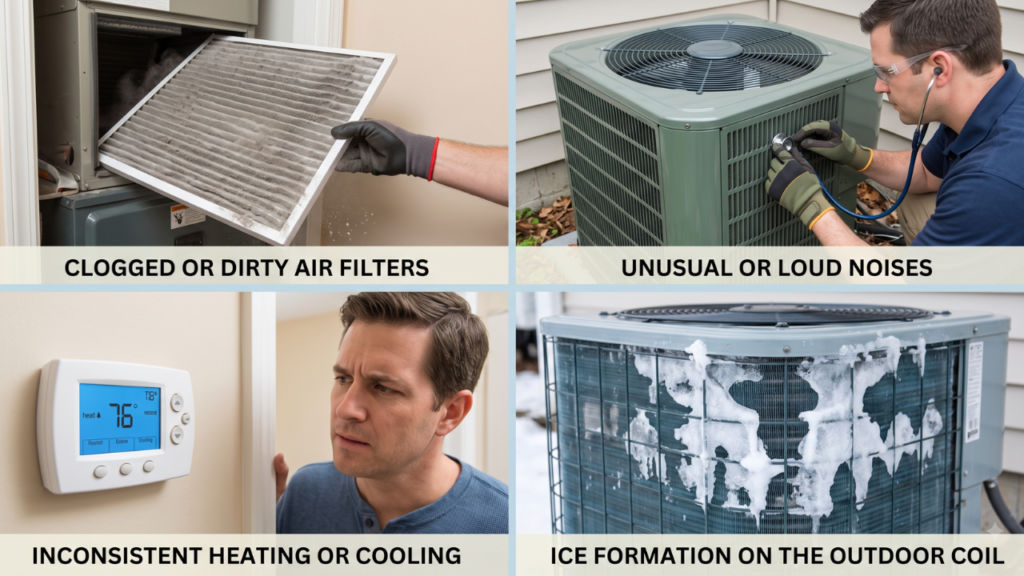
Homeowners need to be aware of the indicators that their heat pump might require service, even when serviced regularly.
Typical red flags are:
- Higher-than-normal energy bills
- Lack of even heating or cooling in the house
- Decreased ventilation
- Strange noises during operation
- Cycling in and out
- Takes longer to achieve the desired temperature
- Ice on outdoor parts
If you observe these issues, you should plan professional heat pump maintenance to prevent additional harm.
Professional Heat Pump Maintenance Helps Protect Your System
Homeowners can cope with such simple tasks as changing filters and cleaning the outdoor unit, but more profound inspections and technical modifications should be conducted by professional maintenance. HVAC technicians possess the equipment and skills to inspect refrigerant levels, electrical systems, and mechanical parts in a safe manner.
Professional maintenance of your heat pump is a good investment because it will give you peace of mind knowing that your system is reliable, efficient, and capable of withstanding the changing weather conditions.