The purpose of air conditioning systems is to make the indoor environment comfortable, particularly in hot weather. Although most homeowners know the significance of their HVAC unit, not all of them know the parts that contribute to the effective functioning of the system. Among the most critical parts are AC coils. These coils contribute significantly to the cooling process and they assist your air conditioner to eliminate heat in the indoor air and keep the temperature comfortable.
Learning about the working principle of AC coils, their types, and their maintenance can assist in enhancing the efficiency of energy consumption, lowering the cost of repair, and increasing the life of your HVAC system.
This guide provides a detailed look at AC coils and why they are essential to your home’s comfort.
What Are AC Coils and Why Are They Important?
AC coils are heat-transfer elements of an HVAC system. They are mainly used to absorb and release heat in the cooling process. Your air conditioner could not cool your home without well-functioning coils.
These coils are used in combination with refrigerant, which is a material that absorbs and conducts heat. The coils enable the air to exchange heat as it passes through the system, where cool air is circulated inside the system and unwanted heat is released outside.
The quality of your HVAC unit is largely reliant on the state of its coils. Coils that are dirty, damaged or worn may decrease performance, consume more energy, and require expensive repairs.
Two Main Types of AC Coils
There are two main coils in most residential air conditioning systems, evaporator coils and condenser coils. They all have their purpose in the cooling process.
Evaporator Coils
Evaporator coils are usually found within the indoor unit or air handler. These coils are filled with cold refrigerant which absorbs the heat in the air within your home.
Refrigerant absorbs the heat as warm indoor air moves over the coils, cooling the air and then it is circulated via the ductwork.
Meanwhile, evaporator coils assist in dehumidifying the indoor air, enhancing the overall comfort. This is why air conditioning systems not only cool spaces but also make them feel less humid.
Condenser Coils
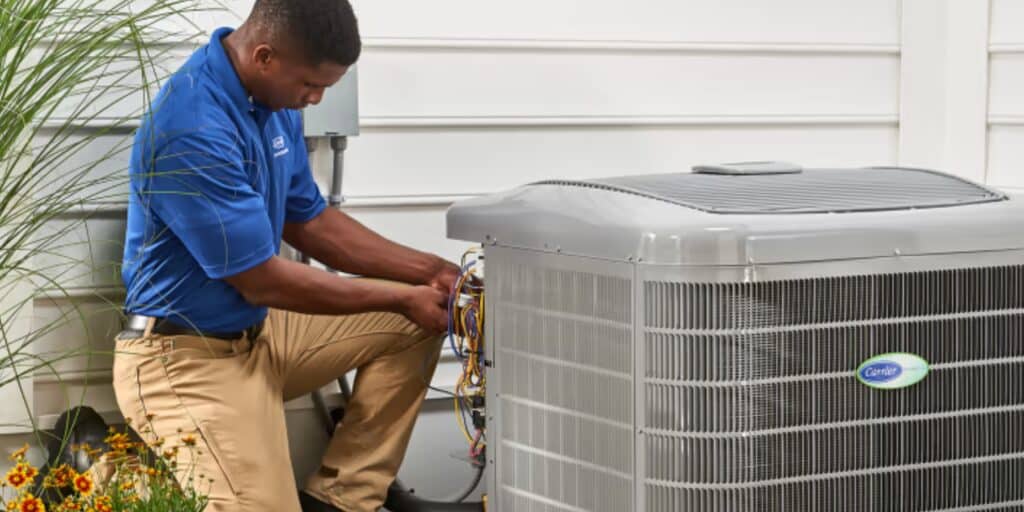
The outdoor unit has condenser coils. Once the refrigerant absorbs the heat in the house, it is transported to the condenser coils. In this case, the heat is discharged to the outside air.
The outdoor unit has a fan that circulates air over the condenser coils so that the refrigerant can cool and go back into the house to continue the process. The combination of evaporator and condenser coils is what forms the continuous process that makes your home comfortable.
How AC Coils Work Together in the Cooling Process
The cooling cycle starts with the warm air in the building being drawn into the HVAC system. This air flows over the evaporator coils and the heat is absorbed by the refrigerant. The cooled air is then pumped back into your living rooms.
Heat-bearing refrigerant flows to the outside condenser unit. The coils of the condenser discharge the heat collected to the environment. After the heat has been removed, the refrigerant cools down and goes back to the evaporator coils to restart the process.
It is this constant exchange of heat that enables your air conditioning system to keep the indoor temperature constant. Once one of the coils develops issues, the whole cooling system may fail to be effective.
Common Problems That Affect AC Coils
Similar to any HVAC element, AC coils may have problems with time. Early detection of these issues can help to avoid more severe system failures.
Dirt accumulation is one of the most prevalent problems. Coil surfaces may be covered with dust, debris and airborne contaminants that lower their heat transfer capacity. A thin layer of dirt can have a great influence on performance.
Another issue is corrosion. Over time, exposure to moisture and environmental pollutants can cause coils to corrode. This can cause refrigerant leakage, which decreases the cooling efficiency and puts extra pressure on the system.
Frozen evaporator coils are also common. Coils may freeze due to restricted airflow, dirty filters, or low levels of refrigerant. When this occurs, the air conditioner might not be able to cool the house or even break down.
Physical damage, including bent coil fins, can also decrease airflow and system efficiency. These problems can be identified by regular inspections before they turn into significant repairs.
Signs Your AC Coils Need Attention
Being aware of the red flags of coil issues can assist you in dealing with the problems before they escalate. One of the most noticeable signs is reduced cooling performance. When your house takes too long to cool or it does not cool to the desired temperature, then it could be dirty or damaged coils.
Increased energy bills may also be a pointer to coil issues. The inability of coils to transfer heat effectively means that the system has to work harder to attain the same cooling.
Other typical signs are poor airflow, strange sounds, excessive cycling of the system, and ice on the inside parts. In others, the homeowners can observe water leaks around the indoor unit as a result of thawing frozen coils.
When any of these symptoms are present, then it is usually best to book a professional HVAC check.
Maintenance Tips to Keep AC Coils Efficient
AC coils should be well maintained. Among the easiest, but most efficient measures is the replacement or cleaning of air filters on a regular basis. Clean filters minimize the quantity of dust and debris that gets to the coils.
Airflow around condenser coils can also be enhanced by keeping the outdoor unit free of leaves, grass, and other obstructions. Proper ventilation enables the system to dissipate heat better.
Routine HVAC maintenance should include professional cleaning of coils. Technicians possess special equipment and cleaning agents that can eliminate accumulation without harming the sensitive coil surfaces.
Regular inspections can help identify refrigerant leaks, corrosion, or other developing issues before they lead to major system failures. Preventive maintenance can lead to reduced operating expenses and enhanced system reliability.