One of the most crucial investments in a business property is a commercial HVAC system. Regardless of whether you are in charge of an office building, retail store, restaurant, warehouse, or a healthcare facility, your heating and cooling system has a direct impact on the comfort of employees, customer satisfaction, energy efficiency, and operational costs.
However, most business owners do not give much thought to their HVAC technicians until something goes awry.
This guide will discuss the suggested servicing schedule of commercial HVAC systems and the importance of preventive maintenance to ensure long-term performance.
Why Regular Commercial HVAC Service Matters
HVAC systems in commercial buildings are much more labor intensive than those in homes. The system is used 10-24 hours a day in most buildings. This continuous use puts a strain on parts like compressors, filters, coils, fans and thermostats.
Small problems can easily escalate to expensive ones without proper maintenance. Soiled filters slow down airflow, damaged components consume more energy and poorly maintained systems tend to break down at the most inopportune times.
Regular commercial HVAC maintenance has a number of advantages, such as:
- Improved energy efficiency
- Lower utility costs
- Improved indoor air quality
- Less chance of unforeseen failures
- Longer equipment lifespan
- Enhanced workplace comfort
- Compliance with warranty requirements.
Companies that invest in preventive HVAC maintenance can save thousands of dollars in repair and replacement expenses in the long run.
How Often Should Commercial HVAC Be Serviced?
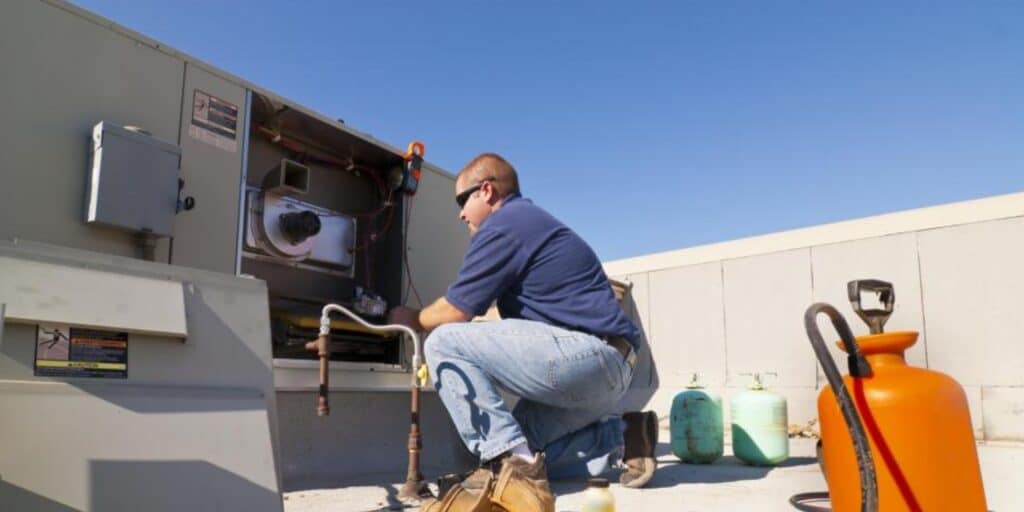
The majority of HVAC professionals suggest that commercial HVAC systems should be serviced at least twice a year. Preferably, maintenance is to be performed during the spring prior to cooling season and during the fall prior to heating season.
This plan will have your system ready to handle peak seasonal traffic. In such inspections, technicians are able to detect worn parts, clean vital parts and optimize the performance of the system.
Nevertheless, other businesses might need to be serviced more often. Quarterly maintenance is usually beneficial in buildings with high occupancy, special equipment or harsh environments.
Here’s a general guideline:
Twice a year: Small commercial buildings and standard offices.
Quarterly: Restaurants, medical facilities, data centers and industrial spaces.
Monthly inspections: Buildings that have high HVAC use or poor air quality conditions.
The factors that affect the frequency of services are:
- Building size
- Number of occupants
- Operating hours
- Indoor air quality requirements
- Local weather conditions
- Type of HVAC equipment.
For example, a kitchen produces more heat and grease than an average office, which implies that the HVAC system will need more regular cleaning and maintenance.
What Is Included in Commercial HVAC Maintenance?
Commercial HVAC servicing is a professional process that entails a thorough check and maintenance of the whole system.
Common commercial HVAC maintenance consists of:
Air Filter Inspection and Replacement
The dirty filters also block airflow and compel the system to work harder. Regular replacement of filters enhances efficiency and indoor air quality.
Thermostat Calibration
Technicians verify the accuracy of thermostats and verify that temperature controls are operating correctly.
Coil Cleaning
Dirt accumulates on evaporator and condenser coils, decreasing the cooling efficiency. Washing the coils assists the system to work better.
Electrical Component Inspection
Loose wiring, and deteriorated wiring can pose safety risks and malfunction of the system. During maintenance visits, HVAC technicians check and tighten electrical parts.
Signs Your Commercial HVAC System Needs Immediate Service
HVAC systems may have issues despite routine maintenance. Early detection of warning signs can be used to avoid system failure and costly downtime.
Here are some common signs your commercial HVAC system may need immediate service:
- Lack of even heating or cooling of the building.
- Increasing electricity charges with no rise in consumption.
- Banging, grinding, or squealing noises.
- Poor ventilation.
- Bad smells emanating out of the system.
- Regular on and off cycling.
- Excess humidity indoors.
- Leaks of water around HVAC equipment.
- Poor indoor air quality or dust build-up.
The neglect of these problems may cause more severe mechanical breakdowns and increase the cost of repair. Timely service will ensure a comfortable and safe working and customer environment.
Benefits of Preventive Commercial HVAC Maintenance
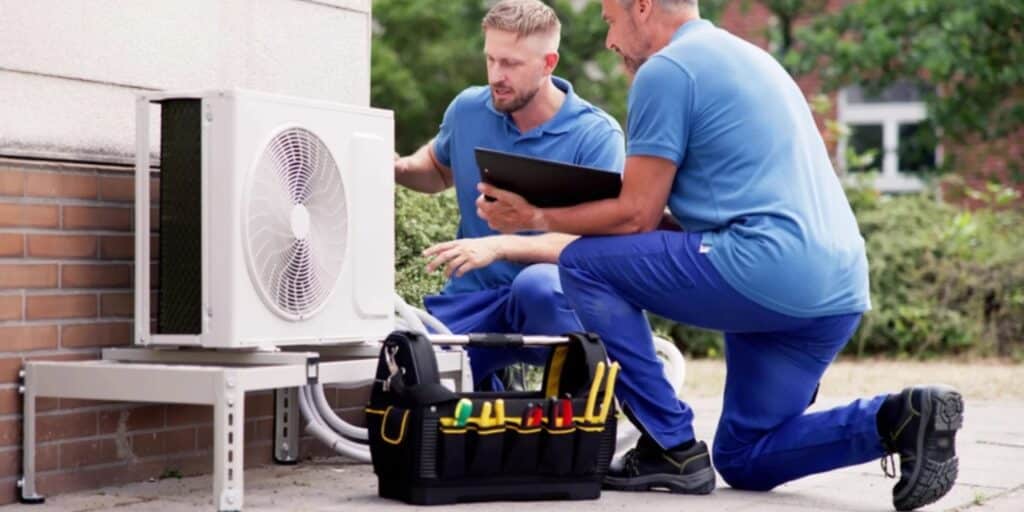
One of the most intelligent investments that a business can make is preventive maintenance. Rather than waiting until equipment breaks down, proactive maintenance ensures systems operate efficiently throughout the year.
Energy saving is one of the significant advantages. Commercial HVAC systems represent a large percentage of the energy consumption of a building. A properly maintained system is more efficient, which lowers monthly utility bills.
Another important advantage is equipment longevity. HVAC systems used in businesses are costly to change and periodic maintenance is used to ensure that the system lasts as long as possible. Machines that are serviced regularly may take many years before they wear out as compared to those that are not maintained.
Preventive maintenance also assists the businesses to evade unforeseen downtime. Failure of HVAC systems may interfere with the operations, lower the productivity of the employees and make the customers feel uncomfortable.
Additional benefits include:
- Fewer emergency repairs
- Better temperature consistency
- Improved employee comfort
- Healthier indoor air quality
- Reduced environmental impact
- Reliability in peak seasons.
Documented maintenance is also necessary in many manufacturers to maintain warranties. Failure to service regularly may nullify warranty coverage and raise out-of-pocket repair costs.
Choosing the Right Commercial HVAC Maintenance Plan
The most effective method of maintaining your HVAC system in good shape is by subscribing to a professional maintenance plan. Most HVAC firms will provide tailored service contracts depending on the size of the building, type of equipment, and the operational requirements.
When selecting a commercial HVAC maintenance provider, consider the following:
- Industry experience
- Certified and licensed technicians
- Emergency service availability
- Preventive maintenance programs
- Transparent pricing
- Positive customer reviews.
A quality maintenance plan must involve scheduled inspections, priority service, comprehensive reporting and system improvement recommendations.
Businesses are also supposed to maintain detailed records of maintenance. Monitoring of inspections, repairs and equipment performance assists in determining recurring problems and aids in long term budgeting.
Regular commercial HVAC maintenance is a great way to not only safeguard your equipment but also provide a healthier and more comfortable environment to all people within your building.