
Heat pumps are gaining momentum as a preferred method of heating and cooling homes due to their efficiency and environmental benefits. But a question many homeowners might have is: are heat pumps suitable for cold climates? Yes, but not without some caveats. Today’s heat pumps are built to operate in cold weather, but their efficiency and effectiveness will depend on the type and climate.
Here, we will explain how heat pumps work in cold weather, their effectiveness, and tips to improve their efficiency during the winter.
How Heat Pumps Work
A heat pump doesn’t create heat (like a furnace). Rather, it moves heat around. In winter, it absorbs heat from the air outside (even though it feels chilly) and delivers it inside to heat your home.
This is possible because there is heat energy in the cold outside air. Heat pumps uses refrigerant and a compressor to absorb and concentrate this heat and pump it into your home.
Do Heat Pumps Operate in Cold Weather?
Heat pumps can function in freezing temperatures. But, they are less effective in lower temperatures.
In Moderate Cold (Above 32°F)
Heat pumps work extremely well in moderate cold temperatures. They can maintain steady temperatures while consuming less electricity than other forms of heating.
Performance at Cold Temp (Below 32°F)
Below 32°F the heat pump may find it more difficult to absorb heat from the air.
This means:
- The system has to work harder
- Efficiency decreases
- Heating output may be reduced.
Heat Pumps in Very Cold Climates (Below 0°F)
In very cold climates, conventional heat pump water heaters may not be able to keep up their heating output. But more recent models (sometimes referred to as cold-climate heat pumps) are built to operate even in winter temperatures as low as -30°F.
Types of Heat Pumps for Cold Weather
There are different types of heat pumps. Some work better in cold temperatures than others.
Air-Source Heat Pumps
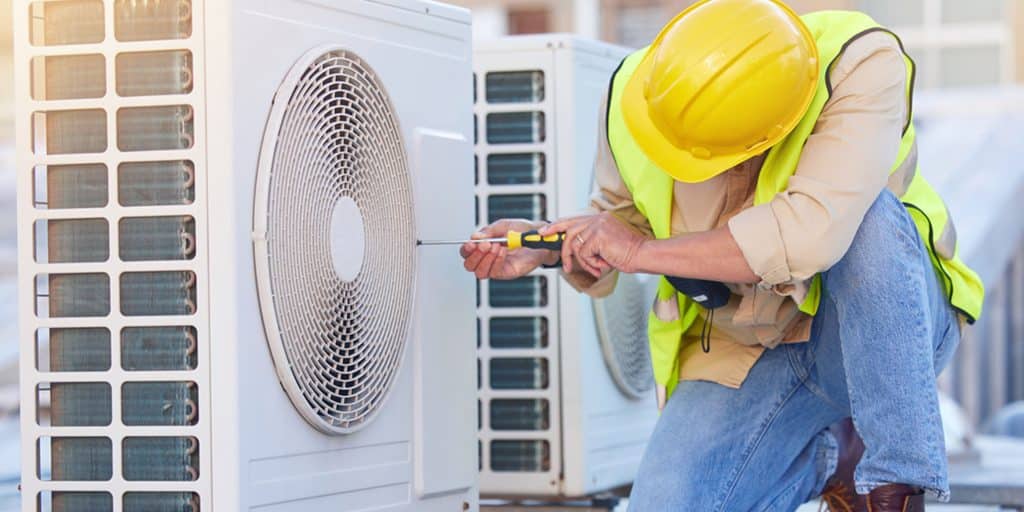
Most common. Older models may suffer in cold temperatures, but more recent models that use advanced compressors and refrigerants work more efficiently in winter.
Cold-Climate Heat Pumps
These are cold-weather models. They are capable of efficient operation even at very low outdoor temperatures, and can be used in cold climates.
Geothermal (Ground-Source) Heat Pumps
These heat pumps rely on the heat in the ground, not the air. Due to the stable temperature of the earth, these systems work exceptionally well in cold climates, but these systems are more expensive to install.
Benefits of Using Heat Pumps in Cold Weather
Heat pumps are beneficial in cold weather.
Energy Efficiency
Heat pumps can provide more heating energy than the amount of electricity they use, making them more efficient than other forms of heating.
Lower Heating Costs
Due to their efficiency, heat pumps can lower your energy costs, particularly in regions with mild winters.
Environmental Benefits
Using a heat pump can be more environmentally friendly.
Dual Functionality
Heat pumps can be used to cool your home as well as heat it.
Limitations of Heat Pumps in Cold Climates
Heat pumps work, but are not without limitations in cold climates.
Efficiency drops in Cold
Colder weather can mean a loss of efficiency and an increase in energy consumption.
Need for Backup Heating
In extremely cold areas, it may be necessary to use a secondary heating source to keep the home warm, such as electric resistance or gas-fired furnace.
Defrost Cycle
Heat pumps can collect frost on the outdoor coil in winter. They automatically switch into a defrost cycle to resolve this, which can result in reduced heating capacity.
How to Improve Heat Pump Performance in Winter
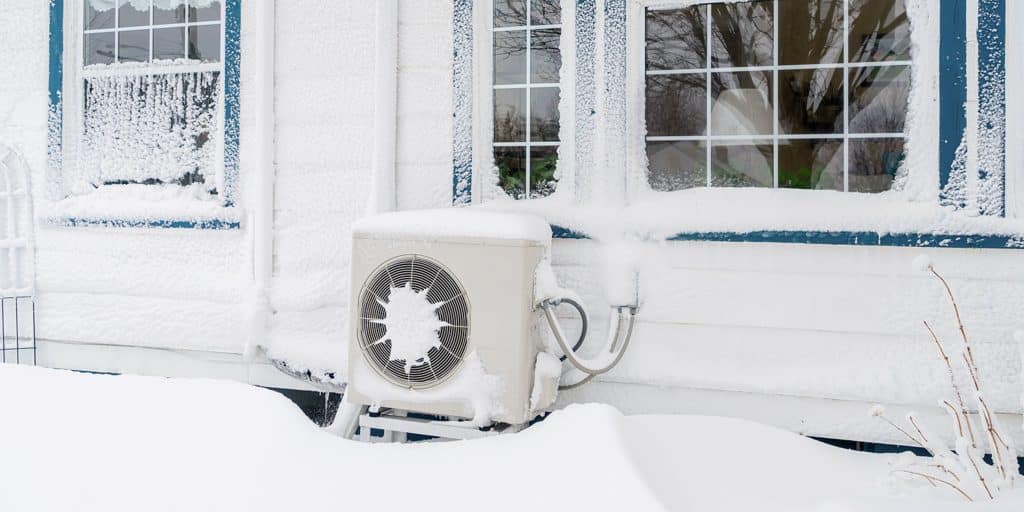
Improving heat pump performance during winter is possible.
Choose the Right System
Consider purchasing a cold-climate heat pump if you have a cold climate. These heat pumps are built for low temperature conditions.
Proper Installation
It’s important to select the right size system and have it properly installed. The wrong size may not deliver enough heat.
Regular Maintenance
To maintain your system:
- Regular cleaning or replacement of filters
- Keeping snow and debris away from the outdoor unit
- Scheduling professional maintenance checks
Use a Backup Heating System
Backup heat source can supplement heat during very cold weather to keep you warm.
Improve Home Insulation
Proper insulation helps to keep heat inside, allowing your heat pump to work more efficiently.
Do Heat Pumps Work in Cold Weather?
It’s a matter of location and circumstances. If you live in a milder climate, heat pumps can be a great choice for efficiency and savings.
In harsher climates, they can also be a terrific choice with:
- A secondary heat source
- Proper insulation
- A cold-climate heat pump
Technological improvements mean heat pumps are more efficient in cold weather than ever before.
Understanding Heat Pump Performance in Cold Weather”
So, do heat pumps work in cold weather? Absolutely. While their efficiency may decline as temperatures drop, modern heat pumps—especially cold-climate models—are designed to perform well even in harsh winter conditions.
By choosing the right system, maintaining it properly, and ensuring your home is well-insulated, you can enjoy reliable, energy-efficient heating all winter long. For many homeowners, heat pumps are not just a viable option in cold weather—they’re a smart investment in comfort and sustainability.