When temperatures drop and winter sets in, many homeowners start thinking about how to protect their outdoor air conditioning unit. One common question that comes up is: should you cover your air conditioner in the winter? The answer isn’t as simple as yes or no. It depends on several factors, including your climate, the type of unit you have, and how you choose to maintain it.
In this guide, we’ll break down everything you need to know in a clear and practical way so you can make the best decision for your home.
Why Homeowners Consider Covering Their AC Unit
Your air conditioner is not used for extended periods during the winter. Of course, homeowners are concerned about snow, ice, leaves and other debris. It makes sense to cover the unit.
Here are some of the reasons people might want to cover them:
- To keep leaves, twigs and other debris out
- To keep snow and ice from accumulating
- To prevent exposure to moisture
- To prevent premature wear
These are valid reasons, but there are instances when covering your AC unit can be more harmful than helpful.
The Pros of Covering Your Air Conditioner
There are times when it is a good idea to cover your AC unit. Let’s take a closer look.
Protection from Debris
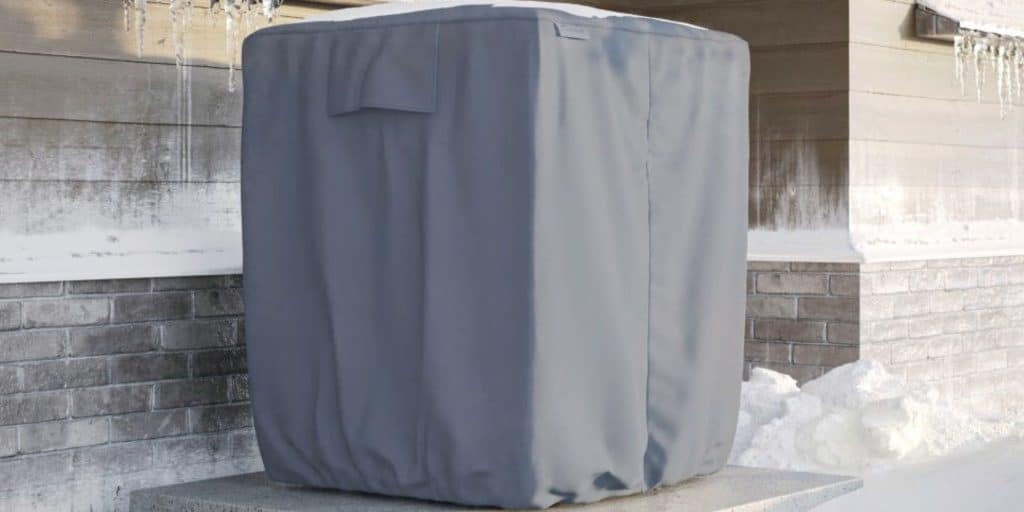
During the early fall and winter, debris such as leaves, dirt and small twigs can fall into the unit. An appropriately sized cover can help prevent these items from entering into the unit and damaging the interior components.
Protection from Ice and Snow
If you live in an area with a lot of snow, placing a cover over the top of your unit can prevent ice from forming on your coils. This may prevent damage from ice in the future.
Preventing Rust from Standing Water
If snow melts and refreezes within the unit, it may contribute to water damage. A cover can help reduce this in extreme weather conditions.
The Cons of Covering Your AC Unit
But there are some cons to covering your air conditioning unit as well.
Trapping Moisture
A complete cover can hold moisture. This can result in moisture, rust, corrosion and even mold. In some cases, the cover could actually damage your unit.
Creating a Home for Pests
Pests seek out warm and cozy places in winter. A covered AC unit can be a tempting home, resulting in damaged wires and components.
Manufacturer Design Considerations
Today’s air conditioners are designed to withstand weather elements, such as rain, snow and frost. Enclosing them may not be needed and can block ventilation.
Full Cover vs. Top Cover: What’s Better?
If you choose to cover your air conditioner, the cover you use is important.
Full Cover
A full cover encases the entire air conditioner. It provides the most protection against dirt and debris, but it can also lead to moisture and pest problems.
Top Cover (Recommended)
This type of cover protects only the top of the unit.
This is a compromise:
- It keeps debris out
- It allows air circulation
- It reduces moisture retention
A breathable top cover will be the best option for most homeowners.
When You Should Cover Your AC Unit
There are good reasons to cover your air conditioner:
- You live in a high-snow or debris zone
- Your air conditioner is beneath trees
- You have a properly sized, breathable cover
- You only cover the top half
In these situations, some degree of cover can be beneficial.
When You Should Not Cover Your AC Unit
There are lots of reasons why you shouldn’t cover your unit:
- If you have a mild winter climate
- If you intend to use a plastic cover
- If you have a unit that is sheltered
- If you’re worried about pests nesting inside
An uncovered unit can “breathe” and avoid moisture problems.
Best Practices for Winter AC Maintenance

Regardless of whether you cover your unit, AC maintenance is essential to winterizing your AC.
Clean the Unit Before Winter
Clean the unit of leaves, dirt and other debris before the season starts. This helps avoid dirt and debris being trapped and the need for excessive covers.
Turn Off the Power
Turn off the power to the air conditioner at the breaker box. This will prevent it from running during cold weather.
Inspect for Damage
Look for damaged panels, fins and exposed wiring. This can save money on repairs in the future.
Keep the Area Clear
Clear away vegetation and other debris. This helps avoid storm damage.
Expert Recommendation: Should You Cover It?
The majority of HVAC experts recommend a middle ground:
- Don’t cover your air conditioner
- Consider a top cover, if necessary
- Prioritise maintenance over covering
Air conditioners are built to withstand winter weather. Too much protection can be counterproductive.
Guidelines for Maintaining Your AC in Winter
So, do you cover air conditioning in winter? It depends on where you live and how you cover it.
If you have a severe winter climate with large amounts of dirt or snow, a cover just for the top could be beneficial. But it’s not recommended to fully cover your unit due to the potential for moisture and pest problems.
But in general, it’s best to clean your unit and switch off the power, allowing it to ride out the winter as intended.
With these easy tips, you can keep your air conditioner in top-notch condition and have it working at its peak efficiency when you need it again come spring.